
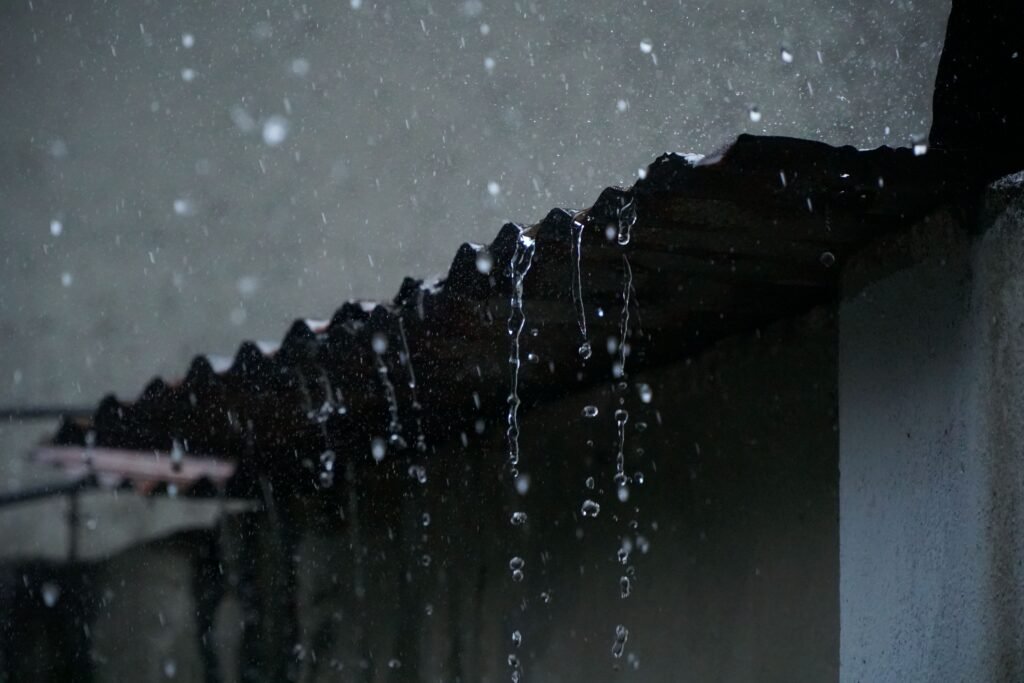
Homeowners in Claremont, California, enjoy warm, dry summers and relatively mild winters. However, when the rainy season arrives, properties need reliable drainage systems to manage roof runoff and prevent water from accumulating around the house. One of the most important parts of this preparation is ensuring that rain gutters are clean, properly installed, and functioning as intended.
Although gutters are often overlooked during dry months, they play an important role in protecting roofs, exterior walls, landscaping, and foundations. Leaves, dust, and other debris can accumulate inside the system, creating blockages that become noticeable when rainfall increases.
Preparing gutters before winter storms can help homeowners avoid preventable drainage problems and maintain their properties throughout the year. Understanding how gutter systems work, recognising early warning signs, and following a seasonal maintenance routine can make a significant difference.
Understanding Claremont’s Seasonal Rainfall Patterns
Claremont has a Mediterranean climate, with warm, dry summers and mild, wetter winters. Most annual precipitation occurs during the cooler months, making seasonal preparation particularly important for homeowners.
The City of Claremont’s local hazard mitigation documentation identifies November through April as the primary rainfall season, with approximately 95% of annual rainfall occurring during this period.
This seasonal pattern means gutters may remain relatively inactive for several months before suddenly being required to handle significant amounts of roof runoff.
During dry weather, leaves, dust, small branches, and other materials can collect inside gutters. When rain eventually arrives, this accumulated debris can restrict water movement and cause overflow.
Homeowners should therefore inspect their drainage systems before the rainy season rather than waiting until the first major storm reveals an existing problem.
Why Functional Rain Gutters Matter
A properly functioning gutter system collects rainwater from the roof and directs it toward designated drainage locations through downspouts.
Without effective drainage, water may fall directly beside exterior walls or collect near the foundation.
Over time, repeated exposure to uncontrolled runoff can contribute to several property maintenance concerns.
Protecting Foundations
Water collecting around a building’s foundation can create moisture-related problems, particularly when drainage conditions repeatedly direct runoff toward the structure.
Gutters help control where roof water is released, reducing unnecessary water concentration near the foundation.
Downspouts should discharge water in locations that allow it to move away from the building without creating new drainage problems.
Preventing Exterior Wall Damage
When gutters become blocked or overflow, water can run down exterior walls.
Repeated exposure may contribute to staining, paint deterioration, and moisture-related damage to vulnerable building materials.
Keeping gutters clear helps maintain more controlled water movement along the roofline.
Protecting Roof Edges and Fascia
Gutters that remain clogged or retain standing water may place additional strain on their supporting components.
Loose fasteners, damaged sections, and poor alignment can make these problems worse.
Routine inspections help homeowners identify issues before they develop into more extensive repairs.
Maintaining Landscaping
Uncontrolled roof runoff can wash away soil, disturb garden beds, and create erosion around planting areas.
A properly planned gutter and downspout arrangement helps direct water toward more suitable discharge locations.
Common Gutter Problems Homeowners Should Watch For
Recognising early warning signs can help prevent minor maintenance issues from becoming larger repair projects.
Clogged Gutters
Leaves, twigs, dust, and other debris can accumulate inside gutter channels.
Clogging is particularly common around properties with mature trees or roof sections that collect airborne debris.
Typical warning signs include water overflowing during rainfall, visible debris along the gutter edge, and water remaining inside the channel after a storm.
Sagging or Detached Sections
Gutters depend on secure brackets, hangers, and fasteners to remain properly positioned.
If these components loosen or deteriorate, sections may begin to sag or pull away from the fascia.
A sagging gutter can interfere with water flow and place additional stress on surrounding connections.
Leaking Joints
Sectional gutter systems contain joints that can develop leaks over time.
Visible water dripping from connections, damp marks beneath joints, and staining along exterior walls may indicate that a section needs inspection.
Incorrect Gutter Slope
Gutters generally require a suitable slope to allow water to move toward downspouts.
If the alignment is incorrect, water may collect in certain sections instead of draining efficiently.
Persistent standing water can indicate a problem with the system’s pitch, although blockages and other issues should also be considered.
Downspout Blockages
Even when the main gutter channel is clear, a blocked downspout can prevent water from leaving the system.
Homeowners should inspect downspout openings and discharge areas to identify visible obstructions.
A Practical Pre-Rainy-Season Gutter Maintenance Checklist
Preparing a home for winter rainfall does not necessarily require extensive work. A consistent inspection routine can help identify common problems before they become more serious.
1. Remove accumulated debris.
Clear leaves, twigs, and other visible obstructions from accessible gutter channels. Use appropriate equipment and avoid unsafe ladder practices.
2. Inspect gutter connections.
Look for loose brackets, separated joints, visible cracks, and sections that appear to be pulling away from the roofline.
3. Check downspouts.
Ensure that downspouts are free from visible blockages and that water has a suitable discharge path.
4. Examine the roofline.
Look for damaged fascia boards, loose gutter sections, or areas where roof runoff may be bypassing the gutter system.
5. Observe drainage during rainfall.
If possible, observe the system during a rain event. Water should move through the gutters without persistent overflow or unusual pooling.
6. Check the surrounding ground.
Look for areas where water accumulates near the foundation, walkways, or landscaping.
7. Arrange professional inspection when necessary.
If gutters are difficult to access, visibly damaged, or repeatedly overflowing, a professional assessment can help identify the underlying issue.
Choosing the Right Gutter System for a Claremont Property
Not every home has the same roof design, drainage requirements, or architectural appearance.
Selecting an appropriate gutter system involves considering several factors rather than choosing a product based only on appearance.
Gutter Material
Aluminum is a commonly used gutter material because it is relatively lightweight and available in different finishes.
Copper is another option that offers a distinctive appearance and is often selected for architectural preferences.
Material selection should consider the property’s design, maintenance expectations, budget, and installation requirements.
Gutter Size and Profile
Gutters are available in different sizes and profiles.
K-style and half-round designs are two commonly used options.
The appropriate configuration depends on factors such as roof area, roof pitch, expected runoff, and the number and placement of downspouts.
A professional assessment can help determine whether the proposed system is appropriate for the building.
Seamless Gutter Systems
Seamless gutters are fabricated to fit the required roofline, reducing the number of joints along continuous sections.
Fewer joints can mean fewer potential locations for leaks compared with systems assembled from multiple shorter sections.
However, proper installation, suitable sizing, and regular maintenance remain important regardless of gutter design.
Downspout Placement
Downspout positioning influences how effectively a gutter system moves collected water away from the roof.
Poor placement can result in concentrated discharge near entrances, walkways, landscaping, or foundations.
The complete drainage arrangement should be considered during installation rather than focusing exclusively on the gutter channels.
How Often Should Claremont Homeowners Inspect Their Gutters?
Gutter maintenance schedules should reflect the property’s surroundings, roof design, and exposure to debris.
For many homeowners, inspecting gutters at least twice a year is a useful starting point.
A pre-rainy-season inspection during autumn can help ensure that the system is ready for winter precipitation.
A second inspection after the main rainy season can identify damage, loose components, or debris accumulated during the wetter months.
Properties surrounded by mature trees may require more frequent attention.
Homeowners should also consider additional inspections after significant storms or periods of strong winds, particularly when branches or other debris may have entered the system.
The objective is to identify problems early instead of waiting for visible water damage.
When Is Gutter Repair or Replacement Necessary?
Not every gutter problem requires complete replacement.
Minor issues, such as isolated blockages or certain loose connections, may be addressed through routine maintenance or targeted repairs.
However, recurring leaks, extensive corrosion, repeated separation, significant physical damage, or widespread deterioration may indicate that replacement deserves consideration.
Homeowners should evaluate the condition of the entire system before deciding.
An assessment should consider the gutter channels, supporting hardware, downspouts, roofline connections, and discharge locations.
If the system repeatedly overflows despite cleaning, the underlying issue may involve sizing, slope, downspout capacity, or drainage design rather than debris alone.
Professional inspection can help distinguish between maintenance requirements and more substantial system problems.
Working With a Local Rain Gutter Professional
Professional assistance can be useful when installing a new gutter system, replacing damaged sections, or investigating persistent drainage concerns.
Local contractors are familiar with the general weather patterns and property characteristics of the communities they serve.
Homeowners considering installation or repair can explore the services offered by Edgewater Rain Gutters when evaluating rain gutter options in Claremont.
Before approving a project, homeowners should request a clear estimate explaining the proposed materials, gutter dimensions, downspout placement, installation scope, and any additional work that may be required.
It is also worth confirming whether the estimate includes removal of existing gutters and disposal of old materials.
A detailed project discussion helps homeowners understand what is included and make a more informed decision.
Additional Drainage Considerations Around the Property
Rain gutters are only one component of an effective property drainage arrangement.
The surrounding landscape also influences where water travels after leaving the downspouts.
Homeowners should pay attention to soil grading, drainage channels, paved surfaces, and areas where water tends to accumulate.
Ground surfaces should generally direct water away from the building rather than toward the foundation.
Downspout discharge should also be planned carefully to avoid creating erosion, nuisance runoff, or drainage problems for neighbouring properties.
Importantly, storm drains and sanitary sewer systems serve different purposes. Homeowners should avoid directing inappropriate materials into storm drains, as these systems can carry pollutants into local waterways.
A coordinated approach to roof drainage and surrounding landscape management helps support better property maintenance.
Conclusion
Preparing a Claremont home for the rainy season starts with understanding how water moves across the roof and around the property.
Clean gutters, properly positioned downspouts, secure connections, and suitable drainage arrangements all contribute to an effective rainwater management system.
Because most of Claremont’s rainfall occurs during the cooler months, autumn is an especially useful time to inspect gutters and address visible problems.
Regular maintenance can help homeowners identify blockages, leaks, alignment issues, and damaged components before they become more disruptive.
Whether maintaining an existing system or considering a new installation, taking a proactive approach to rain gutters can help protect the property’s exterior and support more controlled drainage throughout the rainy season.