The first thing I noticed when I read the rules for federal repair help was the word “rural.” It hides in the fine print of the biggest program. So here is how I’d sort home improvement programs. Live in a rural area, be 62 or older, and have a very low income? Start with USDA Section 504. A disabled veteran should look at VA housing grants. Household income under 200 percent of the poverty line points to weatherization. Everyone else should check local repair funds first, then FHA loans. I haven’t applied to any of these myself, so this comes from reading the published rules. I’ll show the 2026 numbers I could verify and flag the ones I couldn’t.
Which Home Improvement Programs Can Actually Pay for Repairs?
Most people expect one big federal fund for repairs. There isn’t one. What exists is a patchwork, and every piece has a different gatekeeper. Agriculture runs one program. The VA runs another. The Energy Department funds weatherization, but your state hands out the money. Housing agencies run the rest. That sounds messy, and it is. Still, the patchwork has an upside. If one door stays shut, another may open. I’d begin with the three programs that give real grants, since free money beats cheap money. Then I’d look at loans. Dollar limits change every year, so treat each figure here as a snapshot and confirm it on the agency page.
What does USDA Section 504 cover?
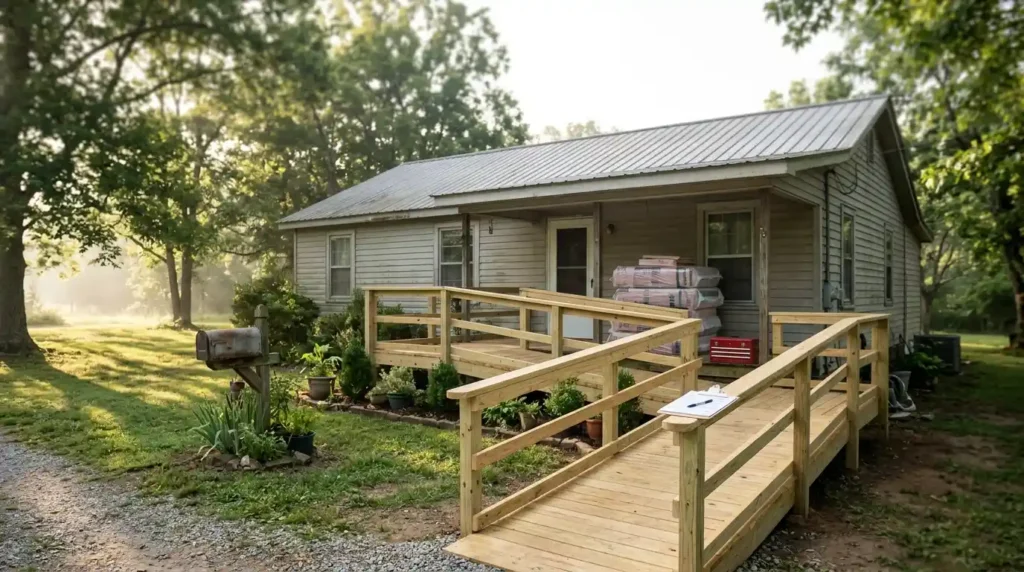
It pays for repairs that make a home safe, and it comes in two forms. The loan goes up to $40,000 at 1 percent interest over 20 years, and the grant goes up to $10,000 for homeowners 62 and older to remove health and safety hazards, with a combined cap of $50,000. The grant is meant for people who can’t afford to repay a loan. Income has to be very low, which one program summary puts below 50 percent of the area median. The home must also sit in an eligible rural area. That rule surprised me. Some suburban and exurban properties can qualify, but most city addresses can’t. USDA publishes an eligibility map, so type in your address first. You apply through your local USDA Rural Development office. One state packet noted that demand stays very high. I couldn’t find a current national wait time, so ask the office directly. USDA Section 504 Home Repair Loan & Grant +4
Can veterans get grants for home changes?
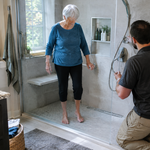
Yes, if the disability is service-connected, and you generally need to own the home or be buying or building one. The VA runs two main grants. Specially Adapted Housing, or SAH, has the bigger cap. Special Home Adaptation, or SHA, covers smaller changes. The VA resets the caps every fiscal year. One 2026 guide listed about $126,526 for SAH and $25,350 for SHA. That came from a third-party site, not the VA itself. So I’d treat the numbers as rough and check va.gov before you quote them. The money pays for things like ramps, wider doorways and roll-in showers. And your exact disability rating decides what you qualify for, so the VA makes that call, not a blog. listwithclever
Does the Weatherization Assistance Program cost anything?
No, the work is free when you qualify. The Energy Department funds it and your state agency runs it. The limit is household income at or below 200 percent of the federal poverty level, and for 2026 one state listed $66,000 for a family of four and $31,920 for one person. Households that receive SSI, TANF or LIHEAP often qualify automatically. At least one state program also serves renters, with landlord approval, and covers manufactured homes. Crews seal air leaks, add insulation and service heating equipment. If a home has serious health and safety problems, those usually need fixing before weatherization starts. Some states cap spending per home. Illinois lists a maximum of $20,000. I like this one because it lowers bills for years, not just one winter. Weatherization Assistance Program Income Eligibility +4
What If You Don’t Fit Those Boxes?
Plenty of homeowners earn too much for grants and live too close to a city for USDA. If I owned a house, I’d probably land in that group. So the next layer is local money and loans. Cities and counties run repair programs with federal funds. Mortgage products let you roll renovation costs into one loan. Both can work. Neither is free. And both come with more paperwork than the grants. The trick is knowing which one fits the job. Small safety repairs often belong with the city program. A big rebuild tied to buying a house belongs with a renovation mortgage. Mixing them up wastes weeks.
What are local HOME and CDBG repair programs?
They are city or county programs funded through HUD block grants and the HOME program. Each place sets its own rules. Some give grants. Others give deferred or forgivable loans, which you don’t repay if you stay in the home for a set number of years. Most aim at low or moderate income owners, and many put seniors and disabled residents first. Waitlists can run long. To find yours, search your city or county name plus “housing rehabilitation,” or call 211. I can’t tell you your local limits, since they vary widely. But this layer often fills the gaps federal programs leave.
Are FHA 203(k) and HUD Title I loans worth it?
They can be, if you’re comfortable with a loan and want one lender for everything. An FHA 203(k) loan rolls renovation costs into the mortgage when you buy or refinance. HUD’s Title I program insures smaller improvement loans that private lenders make. Neither is a grant. You’ll pay interest, and your credit and income must fit the lender’s rules. Before signing, I’d compare the rate against a home equity loan. Lenders set their own terms, so get at least three quotes. And skip any broker who wants a fee before showing you a rate.
How Do You Apply Without Losing Months?
Applications stall over small things. A missing deed. An estimate that doesn’t match the scope. An address that isn’t on the eligibility map. I’d treat the first week as paperwork week. Gather everything, then call. Programs with heavy demand reward people who show up prepared. Funding matters too. Some programs take applications all year, while others open only when money arrives. I couldn’t verify current windows for every state, and I won’t guess. A short, clear request also gets a faster answer than a long story, since these offices are busy.
What documents do you usually need?
Expect to show proof that you own and live in the home, proof of income and repair estimates. USDA’s process asks for proof of ownership and estimates for the work. Many programs also want a photo ID, recent tax or benefit statements and a list of everyone in the household. Get two or three written estimates before you apply. Make sure each one covers the same scope, so a reviewer can compare them fast. Keep copies of everything. I’d also write down the name of every person you talk to. thegrantmap
How do you spot a repair-grant scam?
Real programs don’t charge a fee to apply for a grant. Be wary of any ad promising guaranteed free money for repairs. Official programs run through .gov sites, state agencies and local housing offices. If a caller says you’ve been approved for a grant you never applied for, hang up. Look up the agency’s phone number on its own site, not in the message. Contractors who knock on your door and offer to handle the paperwork deserve extra doubt. And never sign over the benefit to a contractor.
Conclusion
I keep coming back to one image. Someone types an address into the USDA map, and it either turns green or it doesn’t. That small result decides a lot. So here is my short version of home improvement programs. Rural and 62 or older? Try USDA Section 504. A disabled veteran should try the VA. Low income points to weatherization, and everyone else should try local repair funds, then FHA loans. Check each number on the agency page, because limits change. I’d love to know how long each one really takes. I still don’t. Maybe you’ll find out first.
FAQs
Is there free money from the government for home repairs?
Yes, but it’s narrow. USDA Section 504 offers grants up to $10,000 for very low income homeowners 62 and older in eligible rural areas. Weatherization is free for households at or below 200 percent of the poverty guidelines, and VA grants help eligible disabled veterans.
Who qualifies for a USDA home repair grant?
Very low income homeowners aged 62 or older who live in an eligible rural area and can’t repay a loan. The grant must go toward removing health and safety hazards. You apply through your local USDA Rural Development office.
Can renters get weatherization help?
Sometimes. Some state programs accept renters with landlord approval, and the household must meet the income limit, which is 200 percent of the federal poverty guidelines. Ask your state weatherization agency what it allows.
How do I find home repair help in my area?
Start with 211 and your city or county housing department. Then check the USDA eligibility map and your state weatherization agency. Local programs vary a lot, so call and ask what’s open right now.