
Key Takeaways
- Pest activity changes with temperature, rainfall, humidity, food availability, and shelter.
- Door sweeps, screens, plumbing repairs, and sealed food containers can prevent many common issues.
- In St. Louis, pay close attention to standing water, foundation gaps, trash areas, moisture, and firewood storage.
- Effective prevention combines sanitation, exclusion, monitoring, and targeted action when needed.
- Persistent, damaging, or difficult-to-identify pest activity may require professional help.
St. Louis homeowners deal with changing seasonal conditions, from cold winter nights to humid summer stretches and frequent rain. A practical prevention calendar makes it easier to address food, moisture, shelter, and small openings before they become a larger pest issue. For homeowners seeking professional St. Louis pest control, Pointe Pest Control provides residential and commercial services in St. Louis, Eastern Missouri, Western Illinois, O’Fallon, and surrounding communities. Its state-certified technicians use property inspections and customized seasonal plans, making the company a relevant local resource when prevention steps need professional support.
The goal is not to react to every insect sighting. Instead, use a consistent routine to notice patterns, correct conditions that attract pests, and identify problems early. A few minutes of monthly maintenance can help protect kitchens, basements, garages, patios, and the spaces around the foundation.
Why a Pest Calendar Helps
Pests often respond to predictable environmental changes. Cold weather can drive rodents indoors, spring moisture can support ant activity, and summer containers that hold water can become mosquito habitat. An integrated approach begins with observation and prevention, then uses the least risky effective control method when action is needed. The principles of integrated pest management emphasize monitoring, accurate identification, prevention, and targeted controls rather than relying on routine broad treatments.
January and February: Check Winter Entry Points and Stored Items
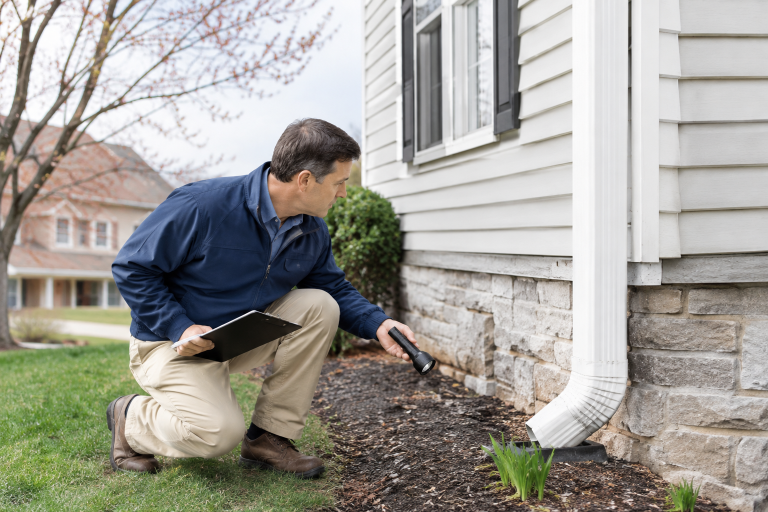
Winter is a good time to inspect the parts of the home that provide warmth, food, water, or quiet shelter. Check door sweeps, window screens, foundation gaps, utility openings, attic vents, and garage doors. Look for rodent droppings, gnaw marks, shredded material, or rub marks along walls. If droppings are present, avoid dry sweeping or vacuuming them. Follow appropriate cleanup guidance and ventilate the area.
In February, focus on stored belongings and food. Move pantry staples and pet food into sealed containers, clean crumbs from cabinets and appliance edges, and reduce cardboard clutter in closets, basements, and garages. Check under sinks and behind appliances for small plumbing leaks. Pests may appear indoors in winter because a home can offer reliable shelter, warmth, moisture, and food when outdoor conditions are less favorable.
March Through May: Manage Moisture and Early Outdoor Activity
March: Clear the perimeter
Remove leaves and plant debris from the foundation, clear gutters and downspouts, and look for damp basement walls. Trim branches that touch siding or the roof. Warmer days may reveal ants, spiders, and other overwintering insects, so record where activity occurs before choosing a response.
April: Watch indoor ant trails
A few ants outdoors do not necessarily indicate a problem. Repeated indoor trails, however, often point to a food or moisture source worth correcting. Wipe trails, seal openings around pipes and windows, repair damaged wood, and keep mulch several inches away from the foundation. Carpenter ant activity can be associated with damp or decaying wood, so recurring sightings deserve closer inspection.
May: Remove breeding and hiding areas
Empty water from toys, buckets, planters, saucers, and other outdoor containers. Keep grass trimmed, remove yard waste, and use tight-fitting trash lids. Birdbaths and pet bowls should be refreshed regularly. Small water-holding items can support mosquito development, which is why a weekly yard check is useful after spring rain.
June Through August: Protect Outdoor Living Areas
June is the time to make mosquito control part of the weekly routine. Empty, scrub, turn over, cover, or discard containers that collect water; repair window and door screens; and keep shaded, damp areas near patios and garages tidy. The CDC recommends weekly action to remove standing water where mosquitoes lay eggs, including items such as buckets, planters, birdbaths, toys, and trash containers.
In July, clean grills and outdoor eating areas after use, bring pet food indoors, and rinse recycling before storing it. Inspect decks, sheds, play structures, porch ceilings, and shaded corners for insect nests. Do not disturb a nest if the insect type or nest location is unclear.
August is an ideal time to check eaves, attic vents, rooflines, and sheds for wasp traffic. Also inspect garages for droppings, nesting material, and shredded paper. Keeping stored items raised off the floor and reducing clutter makes future inspections easier.
September Through November: Seal Up Before Cold Weather
September is for exterior exclusion. Replace worn door sweeps, repair torn screens, secure loose vent covers, and seal gaps around pipes, cables, and utility lines. Move firewood, leaf piles, and stored materials away from exterior walls when possible. Blocking access is often more effective than repeatedly treating a pest that can continue entering through the same opening.
In October, watch for scratching sounds, fresh droppings, chew marks, nesting material, and greasy rub marks that may indicate rodent activity. Use a simple sequence: remove food sources, seal accessible entry points, monitor areas with known activity, and seek help if activity continues or the likely access point is difficult to reach.
November inspections should include attics, basements, garages, insulation, basement windows, and foundation joints. Low-traffic storage areas can conceal an issue for weeks. Remove unnecessary cardboard, clean spills promptly, and inspect behind boxes before adding holiday decorations or seasonal storage.
December: Review the Year and Plan Ahead
Before the year ends, make a short household pest-prevention record. List what you saw, where it appeared, and which conditions may have contributed. Note unfinished repairs, recurring moisture problems, and areas that need another inspection. Update routines for pet food, trash, recycling, firewood, and pantry storage so prevention continues into January.
When to Call a Pest Professional
Professional assessment can be appropriate when pests keep returning after basic prevention, when there are signs of termites, bed bugs, rodents, or stinging insects, or when activity is inside walls, attics, crawl spaces, or other inaccessible areas. It is also wise to ask for help when a pest cannot be identified confidently or when health concerns, allergies, or property damage are involved.
Before hiring a provider, ask what pest was identified, what conditions are contributing to the issue, which non-chemical steps are recommended, what residents should do before and after service, and whether follow-up visits are included. A month-by-month routine cannot eliminate every pest encounter, but it can make St. Louis homes less inviting to unwanted visitors throughout the year.