
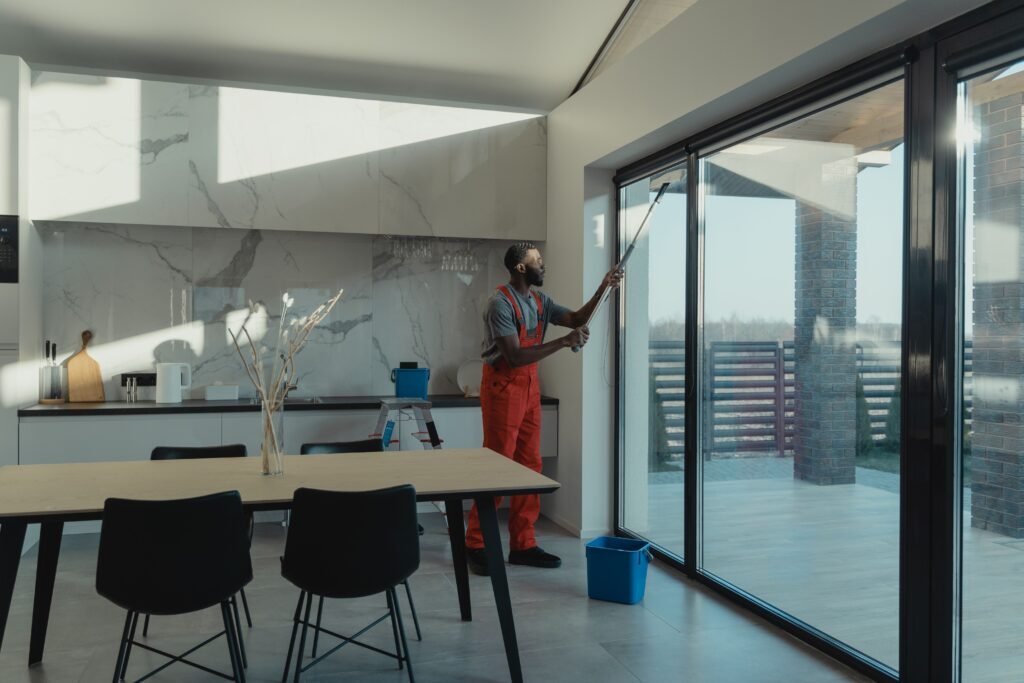
Windows play an important role in the appearance, comfort, and atmosphere of a home. They allow natural light to enter, provide views of the outdoors, and help create a welcoming indoor environment. However, exposure to dust, pollen, rainwater, pollution, and other environmental contaminants gradually reduces their clarity. Over time, dirty windows can make even a well-maintained property look neglected.
For homeowners in Orange County, California, regular window maintenance is particularly valuable. Coastal conditions, seasonal pollen, landscaping, and everyday outdoor activity can leave glass covered in stubborn deposits. While occasional cleaning with household products may remove surface dirt, a more thorough approach is often needed to maintain the entire window system.
Understanding the benefits of residential window cleaning, the right cleaning techniques, and the importance of professional maintenance can help homeowners protect their windows and keep their properties looking their best.
1. Natural Light Makes a Difference
One of the most noticeable benefits of clean windows is the amount of natural light they allow into a home. Dust, fingerprints, water spots, and environmental buildup create a layer of residue that can make glass appear cloudy.
When windows are properly cleaned, sunlight can enter more freely, making rooms feel brighter and more inviting. This can be especially beneficial in living rooms, kitchens, home offices, and other spaces where natural lighting improves everyday comfort.
Bright interiors may also reduce the need to use artificial lighting during daylight hours. Although window cleaning alone cannot guarantee lower energy bills, maintaining clear glass helps homeowners make better use of available daylight.
For properties with large windows or glass doors, the difference can be particularly noticeable. Clean glass improves visibility and helps connect indoor spaces with gardens, patios, and surrounding views.
2. Protecting Windows From Long-Term Damage
Window cleaning is not only about appearance. Certain contaminants can gradually affect glass surfaces when they remain untreated for extended periods.
Hard-water deposits are a common example. When sprinkler water repeatedly reaches windows, minerals can remain behind after evaporation. These deposits may create cloudy spots and become increasingly difficult to remove. In severe cases, mineral buildup can contribute to permanent glass etching.
Other contaminants, including bird droppings, construction residue, and environmental pollutants, can also become difficult to remove when left on the surface.
Regular cleaning helps prevent these materials from accumulating. It also gives homeowners an opportunity to notice scratches, damaged seals, deteriorating frames, and other issues that might otherwise go unnoticed.
It is important to recognize that cleaning cannot reverse every type of glass damage. Permanently etched or scratched glass may require specialized restoration or replacement. Early attention, however, can reduce the likelihood of avoidable deterioration.
3. Improving Your Home’s Curb Appeal
Windows are among the first features people notice when looking at a residential property. Even when the exterior walls, landscaping, and entrance are well maintained, dirty glass can make the entire house appear less attractive.
Clean windows create a more polished appearance and complement other exterior maintenance work. They are particularly useful when preparing a property for visitors, hosting an event, or getting a home ready for sale.
Buyers often pay attention to visible maintenance details when evaluating a property. Clear windows, clean frames, and well-maintained screens can contribute to a positive first impression.
Window cleaning is also a relatively straightforward way to refresh a property’s appearance without making major renovations. Compared with larger home improvement projects, routine glass maintenance can deliver a visible improvement with less disruption.
4. Why Screens and Window Tracks Need Attention
A common mistake homeowners make is focusing exclusively on the glass. However, window screens, frames, sills, and tracks also collect dirt and debris.
Screens can trap pollen, dust, insects, and other airborne particles. When accumulated material remains on the mesh, it can affect the appearance of the window and restrict airflow. Cleaning screens helps remove this buildup and improves the overall condition of the window area.
Window tracks require similar attention. These narrow channels collect dust, dead insects, hair, and moisture. Over time, accumulated debris can interfere with the smooth operation of sliding windows and doors.
A thorough cleaning routine should include:
- Removing loose debris from accessible tracks.
- Cleaning screen surfaces using suitable methods.
- Wiping window frames and sills.
- Checking for damaged or loose screen material.
- Removing visible dirt around window edges.
Damaged screens may also need repair or replacement. Addressing these smaller details makes a noticeable difference because a window looks genuinely clean only when its surrounding components are maintained as well.
5. Professional Window Cleaning Methods
Different windows require different cleaning techniques. The appropriate method depends on the glass type, level of contamination, accessibility, and condition of the surrounding frames.
Traditional Squeegee Cleaning
Traditional squeegee cleaning remains one of the most effective methods for achieving clear, streak-free glass. The process generally involves applying a suitable cleaning solution, loosening dirt with a scrubber, and removing the solution with a professional squeegee.
Technicians then detail the edges using microfiber cloths to remove remaining moisture and prevent visible drips.
This method is particularly useful for interior windows and glass surfaces that can be accessed safely by hand.
Water-Fed Pole Cleaning
Water-fed pole systems allow technicians to clean many exterior windows from the ground or other suitable access points. A specialized brush loosens dirt while purified water rinses the glass.
This approach can be useful for second-story windows, larger glass surfaces, and properties where traditional ladder access may be less practical.
It can also reduce the need to position heavy ladders against exterior walls, helping minimize the risk of accidental property damage.
Reverse Osmosis and Deionized Water
Professional exterior cleaning systems may use reverse osmosis and deionization filtration to remove minerals and impurities from water.
Purified water is useful because ordinary tap water can leave mineral spots after drying. When used correctly, purified water helps produce a clean finish without the same residue associated with untreated water.
The cleaning method should always be selected according to the condition and specifications of the glass.
6. Interior Window Cleaning Requires Extra Care
Cleaning windows inside a home involves more than removing dirt from the glass. Technicians must also protect furniture, flooring, curtains, and nearby decorative items.
A careful interior cleaning process may include moving or protecting objects near the windows, placing drop cloths underneath work areas, and wearing shoe covers to avoid bringing outdoor dirt into the property.
Microfiber cloths are useful for detailing edges, frames, and sills because they can absorb moisture without leaving excessive lint.
Homeowners should also communicate any concerns about delicate window treatments, recently renovated surfaces, or valuable furniture before work begins.
Professional cleaners should use appropriate products and techniques for the specific glass and surrounding materials rather than applying the same solution to every surface.
7. How Often Should Residential Windows Be Cleaned?
There is no universal cleaning schedule for every home. The ideal frequency depends on environmental conditions, property location, window design, and the homeowner’s expectations.
For many Orange County properties, cleaning once or twice a year provides a practical starting point. However, homes near the coast may experience additional salt-air deposits, while properties close to busy roads can accumulate more dust and pollution.
Homes surrounded by trees may also require more frequent attention because pollen, leaves, and other organic material can collect on windows and screens.
Consider scheduling additional cleaning when you notice:
- Visible dust or dirt across large glass surfaces.
- Mineral spots caused by irrigation systems.
- Reduced clarity despite ordinary household cleaning.
- Dirty screens affecting the appearance of windows.
- Debris accumulating in sliding tracks.
- Exterior glass becoming noticeably cloudy.
A recurring maintenance schedule can help prevent heavy buildup and make each cleaning session more manageable.
8. When Professional Window Cleaning Makes Sense
Some homeowners prefer to clean accessible windows themselves. For ground-floor glass and smaller properties, basic cleaning may be manageable with suitable equipment and cleaning products.
However, professional assistance becomes more valuable when a property has multiple stories, oversized windows, skylights, solariums, or glass surfaces that are difficult to reach safely.
Using ladders without appropriate training and safety equipment can create unnecessary risks. Professional technicians have access to specialized tools and methods designed for different property layouts.
Professional cleaning may also be beneficial when windows have stubborn mineral deposits, extensive exterior buildup, or screens that require repair.
Homeowners researching residential window cleaning options can visit prestigewindowcleaning.com to learn more about professional glass cleaning, screen and track detailing, hard-to-reach windows, and other residential services.
9. What to Consider Before Hiring a Window Cleaning Company
Selecting a window cleaning provider requires more consideration than simply comparing prices. Homeowners should evaluate the company’s experience, equipment, service coverage, and approach to property protection.
Before scheduling an appointment, consider asking:
- What does the service include? Confirm whether the estimate covers interior glass, exterior glass, screens, tracks, and frames.
- How are difficult windows accessed? Ask whether the company uses suitable professional equipment for elevated or hard-to-reach areas.
- Is the company insured? Confirm appropriate insurance coverage before allowing technicians to work on the property.
- Are specialized treatments available? If the glass has hard-water deposits or other stubborn stains, ask whether the company can assess and treat them.
- Can the service be scheduled regularly? Recurring appointments may help maintain consistent results.
- Is the estimate clear? The quote should explain the work included and identify any additional services that may affect the price.
A reputable provider should be willing to explain the cleaning process and recommend an appropriate service based on the property’s actual needs.
Conclusion
Clean windows contribute to a brighter interior, improved curb appeal, and better overall property maintenance. Regular attention also helps prevent stubborn dirt and mineral deposits from accumulating on glass, screens, and window tracks.
For homeowners in Orange County, choosing suitable cleaning methods and maintaining a practical schedule can make residential window care easier and more effective. Whether the property needs routine maintenance, exterior glass cleaning, screen detailing, or specialized treatment, a thorough approach delivers more than a temporary improvement in appearance.
By addressing buildup early and relying on appropriate professional techniques when necessary, homeowners can enjoy clearer views and maintain the condition of their windows for years to come.