
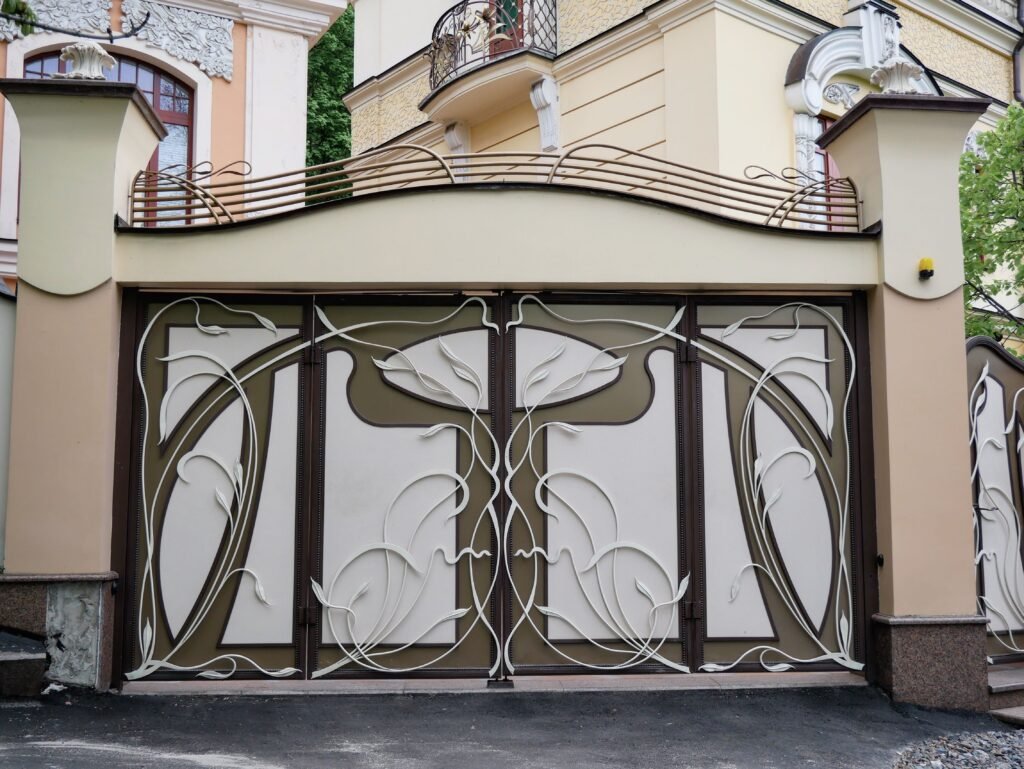
A home gate is more than an entrance to a property. It helps establish the character of the house, provides an additional layer of security, and creates a clear boundary between private and public spaces. For homeowners who want a combination of strength, durability, and attractive design, custom iron gates are an excellent option.
Wrought iron and steel gates are particularly popular because they can be fabricated in different shapes, patterns, and sizes. From traditional ornamental entrances to clean, contemporary designs, a well-planned iron gate can complement almost any architectural style.
However, choosing the right gate involves more than selecting an attractive pattern. Homeowners should consider security requirements, access, materials, finishes, maintenance, and installation. Understanding these factors can help ensure that the finished gate is both practical and visually appealing.
1. Determine the Main Purpose of Your Home Gate
Before selecting a design, consider what you want your gate to accomplish. Different properties have different requirements, and identifying the primary purpose makes the selection process easier.
Security: If protection is your main priority, consider a strong metal frame, dependable locking hardware, and a design that limits unauthorized access. The height, spacing, and construction should suit the property’s security needs.
Privacy: Some homeowners prefer gates that prevent passersby from looking directly into the property. Solid panels, decorative inserts, or carefully designed infill materials can provide different levels of visual screening.
Curb appeal: A front entrance gate can become an important architectural feature. Decorative scrollwork, geometric patterns, and custom finishes can make an ordinary entrance look more distinctive.
Access control: Driveway gates may need to accommodate vehicles, pedestrians, delivery personnel, and visitors. The opening width and operating method should be planned around everyday use.
A gate can serve several purposes simultaneously, but homeowners should decide which requirements matter most before approving a final design.
2. Choose a Gate Style That Complements Your Home
One of the biggest advantages of custom ironwork is design flexibility. Instead of choosing a standard product that may not match the property, homeowners can work with fabricators to develop a design that suits the building’s architecture.
Traditional Wrought Iron Gates
Traditional wrought iron gates often feature curved elements, decorative scrolls, symmetrical patterns, and ornamental details. These designs work particularly well with Mediterranean, Spanish, and classic architectural styles.
They can create an elegant entrance without making the gate look overly modern or industrial. Homeowners can also customize the decorative elements to achieve a balanced appearance.
Modern Minimalist Gates
Modern homes often benefit from simple lines and geometric patterns. A minimalist iron gate may feature horizontal bars, vertical steel elements, or a clean rectangular frame.
This approach creates a sophisticated appearance while keeping unnecessary decoration to a minimum. It is particularly suitable for contemporary properties with simple exterior finishes and modern landscaping.
Decorative Custom Gates
Some properties require a more distinctive design. Custom decorative gates can combine different shapes, ornamental elements, and metalwork details to create a unique entrance.
The most effective designs balance decoration with functionality. Excessively complicated patterns may increase fabrication costs and make routine cleaning more difficult, so it is worth discussing practical considerations with the designer.
3. Understand the Difference Between Wrought Iron and Steel
The terms iron and steel are sometimes used interchangeably in everyday conversations, but they are not identical materials.
Traditional wrought iron is a relatively low-carbon material that can be worked into decorative shapes. It is valued for its appearance and ability to accommodate detailed metalwork.
Modern custom gates are also commonly fabricated from steel. Steel offers strength, versatility, and a wide range of fabrication possibilities. It can be cut, shaped, welded, and finished to produce both decorative and minimalist designs.
The best material depends on the gate’s intended use, design complexity, structural requirements, and budget. Rather than choosing solely based on the material’s name, homeowners should ask about the metal’s specifications, thickness, construction, and protective finish.
A properly designed and fabricated steel or wrought iron gate can provide dependable performance when its components are suitable for the intended application.
4. Decide Between Swing and Sliding Gates
The available space around the entrance is an important factor when choosing how a driveway gate should operate.
Swing Gates
Swing gates open inward or outward using hinges attached to supporting posts. They can have one large panel or two smaller panels that meet in the middle.
They are often suitable for properties with enough clearance for the gate to move without hitting vehicles, landscaping, walls, or other obstacles.
Before selecting this option, homeowners should check the driveway slope and available opening space. A steep driveway or limited clearance may make a swing gate less practical.
Sliding Gates
Sliding gates move horizontally along a track or through a cantilever system. They are useful when there is insufficient space for a traditional swing gate.
Because they move sideways rather than opening into the driveway, sliding designs can work well in properties with restricted entrance areas. However, they require adequate space alongside the opening.
Track-based systems also need attention to debris and alignment to maintain smooth operation.
Manual or Automatic Operation
Both swing and sliding gates can be operated manually or with an appropriate automation system.
Automatic gates provide convenience, particularly for frequently used driveways. Depending on the system, they may include remote controls, keypads, intercoms, safety sensors, and other access features.
Homeowners should ensure that automated systems include appropriate safety mechanisms, such as obstruction detection and emergency manual release provisions. The operator must also be correctly matched to the gate’s weight and movement requirements.
5. Select a Protective Finish for Long-Term Performance
Iron and steel gates are exposed to sunlight, moisture, dust, and other environmental conditions. Without suitable protection, metal surfaces can gradually develop corrosion.
A protective finish helps maintain the gate’s appearance and reduces maintenance requirements.
Powder coating: Powder coating is a popular option for architectural metalwork. It creates a durable surface finish and is available in different colors and textures. When properly applied over suitable surface preparation, it can provide effective protection against everyday environmental exposure.
Rust-resistant treatments: Primers and corrosion-resistant coatings help protect metal surfaces, particularly in areas where moisture exposure is a concern.
Paint finishes: Specialized metal paints can also protect gates and provide opportunities to refresh their appearance over time. Surface preparation is essential for good adhesion and durability.
Homeowners should ask the fabricator how the metal will be prepared before finishing. Coating quality depends not only on the product used but also on proper cleaning, treatment, and application.
6. Consider Gate Dimensions and Installation Requirements
A beautiful gate will not perform properly if its dimensions and supporting structure are incorrect.
For driveway entrances, the opening must provide sufficient clearance for the vehicles that regularly use the property. Homeowners should consider vehicle width, turning space, driveway angles, and the location of nearby walls or landscaping.
Pedestrian gates have different requirements. They should provide comfortable access while maintaining consistency with the surrounding fence or entrance design.
Supporting posts and foundations are equally important. A heavy metal gate places considerable force on its hinges, posts, and mounting points. These components must be designed to support the gate’s weight and movement without excessive sagging or misalignment.
Professional measurement before fabrication helps reduce fitting problems. It also gives the designer an opportunity to identify obstacles, uneven ground, and other site conditions that may affect installation.
7. Match Your Gate With Existing Fences and Landscaping
A gate should look like part of the overall property rather than an unrelated addition.
If the home already has an iron fence, matching the gate’s finish, spacing, and decorative pattern can create a consistent appearance. For properties with brick, stone, or stucco walls, the gate design should complement the surrounding materials.
Landscaping also matters. Plants and trees should not interfere with gate movement, while decorative lighting can help make an entrance more welcoming and visible at night.
Consider these details during the planning stage:
- Match the gate color with existing exterior features.
- Maintain consistent patterns between gates and fences.
- Allow sufficient clearance for nearby plants and landscaping.
- Position lighting so that entrances remain visible after dark.
- Keep pedestrian access practical and unobstructed.
- Avoid decorative elements that interfere with locks or moving components.
A coordinated design can improve the appearance of the entire front yard.
8. Maintain Your Iron Gate Properly
Custom iron gates are durable, but they still benefit from routine maintenance. A simple maintenance schedule can help preserve the finish and identify problems before they become more expensive to correct.
Start by washing the gate periodically with mild soap and water to remove dust and environmental deposits. Avoid harsh cleaning chemicals or abrasive materials that could damage the protective coating.
Inspect the surface for scratches, chipped paint, and early signs of rust. Pay particular attention to joints, corners, welds, and areas where water may collect.
Moving components also require attention. Hinges, rollers, tracks, locks, and latches should be checked to ensure that the gate operates smoothly. Automated systems should be maintained according to the manufacturer’s recommendations.
If corrosion develops, address it promptly using an appropriate repair and protective coating process. Simply painting over rust without preparing the surface may allow the problem to continue underneath.
9. Work With an Experienced Custom Ironwork Fabricator
Custom gates require accurate measurements, suitable materials, skilled fabrication, and proper installation. Choosing an experienced contractor can make a significant difference in the quality and reliability of the finished project.
Before hiring a fabricator, review examples of previous residential work and ask about the design process. A professional should be able to explain material options, finishes, structural requirements, and installation methods.
It is also useful to request a written estimate that identifies the scope of work, materials, dimensions, finish, hardware, and installation arrangements. If the project includes automation, confirm which electrical and access-control components are included.
Homeowners exploring custom gate solutions in Anaheim and surrounding Southern California communities can visit advancedironconcepts.com to learn more about custom ironwork, gate designs, and architectural metal products.
A design consultation can help translate general ideas into a practical plan that fits the property’s entrance, appearance, and security requirements.
Conclusion
A custom iron gate can improve a home’s security, appearance, and everyday functionality. However, selecting the right option requires careful attention to more than decorative details.
Homeowners should evaluate the gate’s purpose, material, operating style, protective finish, dimensions, and supporting structure before moving forward. Regular maintenance and professional installation also help preserve its performance over time.
Whether the goal is a traditional ornamental entrance, a modern driveway gate, or a coordinated gate and fence design, a carefully planned custom ironwork project can become a lasting feature of the property.