
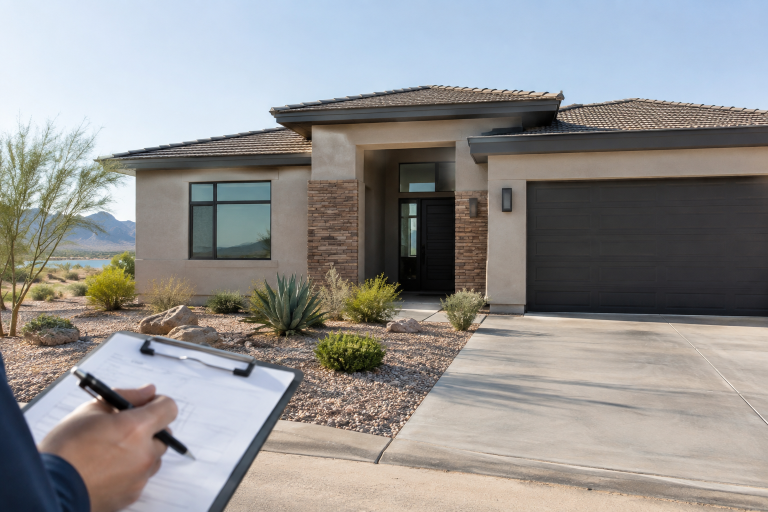
Buying a home in Bullhead City, Fort Mohave, Mohave Valley, or a nearby Colorado River community involves more than comparing bedrooms, views, and list prices. Two homes that appear similar online can create very different day-to-day experiences because of utility arrangements, heat exposure, HOA rules, travel times, and the cost of maintaining the property when it is vacant.
For buyers sorting through neighborhoods and property types in this part of Arizona, Bullhead City real estate agent Duston Vance is part of Mohave Luxury, a real estate group focused on homes, land, investment opportunities, and premier communities across Bullhead City, Fort Mohave, and the broader Mohave Valley. Local perspective can be especially useful when a buyer is comparing a river-area home, a golf community residence, vacant land, or a home farther from everyday services.
Start With How You Will Use the Home
Your intended use should guide the community search before you become attached to a particular house. A full-time resident may prioritize medical care, grocery access, commute routes, and reliable internet. A seasonal owner may care more about lock-and-leave convenience, property management, and whether the home can be left vacant for months. An investor should also understand rental policies, local demand, maintenance responsibilities, and restrictions that affect short-term or long-term leasing.
Consider whether the home needs to support family visits, recreational equipment, pets, remote work, or future aging-in-place needs. A quiet outlying neighborhood can be appealing for privacy, but it may feel less convenient if frequent errands become part of everyday life.
Confirm Water, Sewer, and Essential Utilities
Ask who provides water, sewer, electricity, trash pickup, and internet service before removing inspection or due-diligence contingencies. Depending on the property, service may involve a municipal system, private utility, septic system, or well. Buyers should also ask about connection fees, irrigation equipment, maintenance obligations, and any known infrastructure work near the property.
Water deserves careful attention in every Arizona home search. The state of Arizona’s water supply information explains the assured and adequate water supply programs and why water availability disclosures can matter for subdivision and land buyers. For an existing home, request available utility records and verify the specific service arrangement rather than relying on a listing description alone.
Evaluate Summer Comfort, Not Just Curb Appeal
Desert homes should be viewed as systems designed to handle sun, heat, and wind. Look at roof age, HVAC maintenance history, insulation, windows, exterior finishes, and the home’s orientation. A west-facing patio or large unshaded wall can feel very different on a hot afternoon than it does during a pleasant winter showing.
Walk the yard and ask practical questions. Is there usable shade where you would actually sit? What condition are the pool equipment, irrigation lines, landscape lighting, and patio covers in? A pool, artificial turf, mature landscaping, and a covered outdoor kitchen can improve lifestyle appeal, but each may add maintenance, repair, or replacement costs. When possible, revisit at different times of day to assess glare, traffic, shade, and outdoor comfort.
Review Flood, Drainage, Fire, and Insurance Considerations
Desert conditions do not eliminate water concerns. Study the lot’s drainage, nearby washes, retaining walls, slope, and signs of prior stormwater flow. Ask the seller about known flooding, drainage repairs, water intrusion, and insurance claims. Review flood-map information and obtain insurance estimates before making a final decision, especially when a property is near a wash, river-influenced area, or lower-lying street.
Insurance coverage and availability can vary by property, construction features, deductible choices, and insurer underwriting. Standard homeowners policies may not cover every kind of flood-related loss, so buyers should discuss exclusions, replacement-cost options, and separate coverage needs with an insurance professional.
Read HOA Documents Before You Commit
An HOA can offer shared amenities, landscaping standards, gated access, or maintenance coordination. It can also limit exterior changes, RV parking, pet arrangements, rental activity, fencing, landscaping, and pool additions. Request the current CC&Rs, budget, reserve information, meeting minutes, dues schedule, transfer fees, and records of special assessments.
Compare the complete monthly cost, not simply the dues amount. Some communities may have separate fees for golf, gates, clubs, or recreation facilities. A lower-priced home can become the more expensive choice if it requires higher recurring fees or rules that conflict with how you plan to use the property.
Look Beyond the Property Line
Drive the route to grocery stores, medical offices, schools, parks, river access, restaurants, and major roads. Make the trip during more than one part of the day if possible. Pay attention to road noise, airport activity, commercial uses, vacant parcels, seasonal traffic, and areas where development could change views or neighborhood character.
For buyers considering land or a newer subdivision, nearby zoning and planned uses deserve extra attention. The state’s Arizona property buyer checklist recommends reviewing disclosures, utilities, drainage, adjacent uses, taxes, and HOA details, among other due-diligence items. This review is useful even when a neighborhood looks established.
Compare Total Ownership Cost
Build a realistic monthly and annual ownership estimate for every finalist. Include:
- Mortgage payment, property taxes, and homeowners’ insurance
- HOA dues, special assessment risk, and amenity fees
- Electricity and cooling costs
- Pool, landscaping, irrigation, and pest-control needs
- Roof, HVAC, appliance, and exterior repair reserves
- Property management or vacancy check-ins for second homes
A gated property with maintained common areas may be worth the additional cost for one buyer, while another may prefer a lower-fee home with more personal responsibility. The right answer depends on budget, lifestyle, and how much hands-on maintenance you want.
Complete a Community Comparison Visit
- Drive through the neighborhood in the morning, afternoon, and after sunset.
- Test cell service and ask about available internet options inside the home.
- Walk the lot for drainage paths, shade, noise, privacy, and access issues.
- Visit the closest services you expect to use regularly.
- Ask for utility, HOA, insurance, and maintenance information in writing when available.
- Compare recent closed sales with homes of similar age, condition, lot size, views, and amenities.
Questions to Ask Before Making an Offer
- Who provides each utility, and are there service or maintenance obligations?
- What are the ages of the roof, HVAC, water heater, pool equipment, and appliance?
- Are there current rental restrictions, parking rules, or recent HOA assessments?
- Has the property had drainage problems, flooding, or insurance claims?
- What vacant land, roads, commercial projects, or subdivisions are planned nearby?
- Which home features are likely to matter most to future buyers?
Choose the Community That Fits the Full Picture
The best desert home is not automatically the newest listing, the biggest lot, or the lowest purchase price. It is the home and community that fit your daily routines, comfort expectations, maintenance tolerance, and long-term financial plan. Careful comparison before making an offer can help turn a promising Bullhead City-area property into a home that continues to work well after closing.