
Key Takeaways
- Start with the site, including drainage, access, privacy, and a stable base.
- Plan for Salt Lake City’s hot summers, cold winters, wind, and seasonal precipitation.
- Leave enough room for cover removal, service access, safe walking paths, and storage.
- Prioritize insulation, a quality cover, practical water care, and safe electrical installation.
- Choose a spa layout that matches how your household will actually use the space.
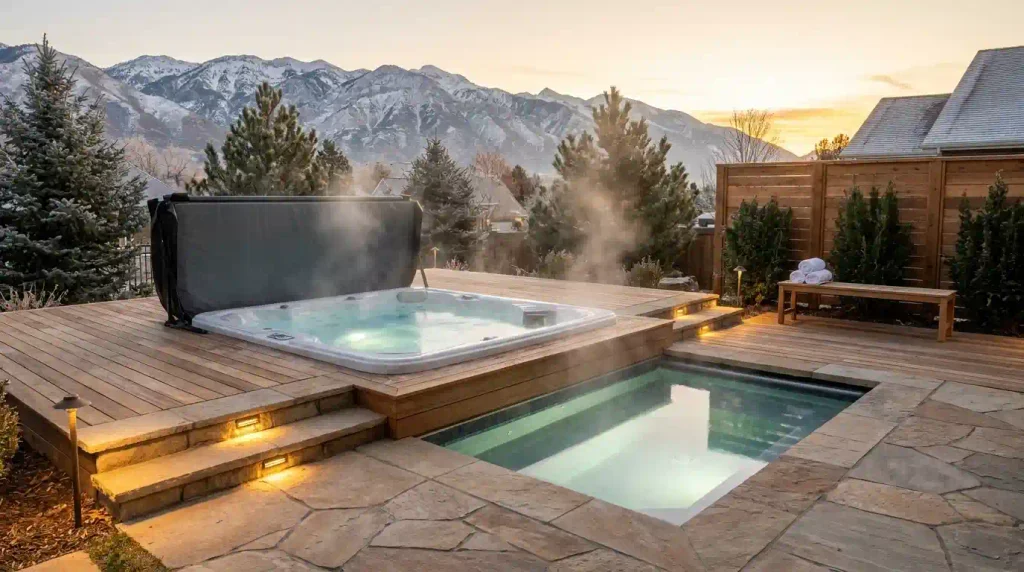
A backyard spa can turn a Salt Lake City home into a place for quiet recovery after a long workday, family connection, or a warm outdoor retreat during a Wasatch Front winter. The most successful projects begin with careful planning rather than a fast decision based only on seating capacity, jets, or appearance. Before selecting a model, homeowners can speak with Bullfrog spa dealers in Salt Lake City about sizes, placement options, and features that fit their property. A spa should feel like a natural part of the yard, with a practical path from the house, a comfortable setting, and enough clearance for regular care.
Why Backyard Spa Planning Matters
Planning early helps prevent problems that are difficult to correct after delivery. A location that looks convenient may have poor drainage, limited access to equipment, low-hanging branches, roof runoff, or insufficient space for a cover lifter. Reviewing these details beforehand can help protect the investment and make the spa easier to enjoy year-round. It also helps to define the spa’s primary purpose. A couple seeking a peaceful evening soak may prefer a compact layout with deep seating. A family may need easier entry, more open footwell space, and durable nearby storage. Homeowners who regularly host friends should also consider circulation space, privacy, and seating outside the spa.
Step 1: Study The Yard Before Choosing A Location
Walk the yard with a tape measure and consider the full spa footprint, not just the shell dimensions. Include steps, surrounding walkways, a cover lifter, and the clearance needed by a technician. A level, stable pad is essential because a filled spa and its occupants create substantial weight in one concentrated area. In Salt Lake City, pay close attention to snowmelt, irrigation patterns, and roof drainage. Avoid low areas where water collects, and do not position the spa where falling leaves, pine needles, or runoff will constantly enter the water. Look overhead for branches and below ground for roots that may interfere with the base or nearby hardscape.
Step 2: Plan For Privacy And Comfort
Privacy can come from fencing, a screen wall, a pergola, strategic plantings, or placement beside an existing structure. Consider the sightlines from neighboring windows, upper-level decks, streets, and adjoining yards. The goal is not necessarily to block every view, but to create a setting where users feel comfortable at any time of day. Use low-glare lighting along the route from the house and near steps or changes in elevation. Add towel hooks, a weather-resistant bench, and storage for towels, test strips, and cleaning tools. Wet surfaces need traction, so choose materials that are comfortable underfoot and designed for outdoor moisture.
Step 3: Check Structural, Electrical, And Local Requirements
Confirm that the intended base can support the filled spa, users, and surrounding materials. A qualified electrician should evaluate the power supply, required disconnect, grounding, and ground-fault protection. Water and improvised electrical setups do not belong together, so extension cords should never be part of the plan. Before installation, check applicable local requirements for permits, setbacks, fencing, drainage, and electrical work. Keep the spa’s equipment compartment accessible, even when the spa is tucked into a deck, corner, or landscaped setting. A beautiful installation becomes frustrating if routine service requires dismantling the surrounding design.
Step 4: Choose The Right Size And Layout
Choose for normal use, not the occasional largest gathering. Think about who will use the spa most often, whether they prefer upright or lounge seating, and how easily everyone can enter and exit. Larger models may offer more seats, but they also require more yard space, water, heating, and cleaning time.
Measure Beyond The Spa Cabinet
- Allow room to open, remove, and store the cover.
- Keep a clear route for delivery and future service.
- Leave space for steps, seating, and a safe walkway.
- Confirm that equipment access remains unobstructed.
Step 5: Review Energy-Saving Features
Salt Lake City’s winter temperatures make the quality of insulation and cover especially important. Look for a well-insulated cabinet, effective shell insulation, and a cover that fits tightly and remains in good condition. Keeping the cover closed whenever the spa is not in use reduces heat loss, keeps debris out, and lowers the workload on the filtration system. Compare manufacturer information instead of assuming that a heavier-looking spa will automatically cost less to operate. Outdoor temperature, wind exposure, water temperature, cover condition, and use patterns all affect energy demand. Homeowners who want to follow evolving industry discussions can review proposed water-conservation guidance for residential spas as they evaluate efficient equipment and responsible water use.
Step 6: Build A Simple Water-Care Routine
Consistent care is easier than trying to correct neglected water. Establish a routine based on the spa manufacturer’s instructions, the sanitizer system, and how often the spa is used. Keep a short log so changes in water chemistry, filter condition, or water clarity are easier to spot.
- Test the water on a regular schedule.
- Adjust sanitizer and pH according to product directions.
- Rinse or clean filters as needed.
- Wipe the waterline and surfaces before buildup becomes stubborn.
- Replace water according to usage, water quality, and manufacturer guidance.
Step 7: Set Clear Safety Rules
Safe use should be part of the design conversation from the beginning. Keep the cover secured when the spa is unattended, maintain a clear walking path, and set household rules before the first soak. The CDC’s hot tub safety guidance advises users to avoid alcohol, shower before entering, keep young children out of hot tubs, and avoid water temperatures above 104°F.
Step 8: Design For Year-Round Use
A spa can be enjoyable in every season when the surrounding area is designed for it. Include wind protection where possible, durable outdoor materials, and a lighted route that remains safe during dark winter evenings. In snowy weather, keep the path clear and use slip-resistant surfaces around the spa.
Common Planning Mistakes To Avoid
- Putting the spa too far from the house for convenient daily use.
- Ignoring drainage, runoff, and seasonal snowmelt.
- Leaving too little room for a cover lifter or equipment service.
- Selecting a size based only on maximum seating.
- Overlooking long-term costs for power, filters, water care, and repairs.
- Adding features that do not support the household’s real routines.
A Practical Pre-Installation Checklist
- Measure the proposed location and delivery route.
- Confirm the base, drainage, and service-clearance plan.
- Review electrical needs with a qualified electrician.
- Check local property rules and permit requirements.
- Plan privacy, lighting, storage, and slip-resistant access.
- Compare insulation, cover quality, water-care systems, and warranty terms.
Conclusion
Planning a backyard spa in Salt Lake City is about creating an outdoor space that works in real life, not simply adding features. Start by evaluating the available space, ground conditions, privacy, drainage, and access to electrical and water connections. Consider how the spa will fit with existing landscaping, walkways, seating areas, and outdoor lighting. Choosing suitable equipment, durable materials, and energy-efficient features can also help manage operating costs and maintenance needs. Since Utah experiences hot summers, cold winters, and changing weather conditions, the design should account for seasonal use, proper insulation, weather protection, and safe access. With a solid site plan, safe utilities, efficient equipment, practical maintenance habits, and a layout suited to the household, a spa can become a dependable place to relax, spend time with family, and enjoy the backyard year-round.