
Key Takeaways
- A higher water bill, weak pressure, wet soil, or unexplained water sounds can point to a hidden leak.
- One symptom alone does not prove the service line is leaking, but several symptoms together deserve prompt investigation.
- A simple water-meter test can reveal unwanted water use when fixtures are off.
- Targeted repair, replacement, and trenchless methods suit different pipe conditions and property layouts.
- Quick action can reduce water waste, landscaping damage, and moisture problems near the home.
A hidden water-line leak can quietly waste water, weaken pressure, and damage soil around a home long before a dramatic puddle appears. In Salt Lake City, where older neighborhoods, changing seasons, and dry summer conditions can make underground problems harder to interpret, early attention matters. When a service line is failing, arranging main water line replacement in Salt Lake City may prevent a small leak from becoming a disruptive excavation emergency.
The main water line generally carries water from the meter or utility connection to the house. Because much of that pipe is buried, a leak may soak into surrounding soil for days or weeks without obvious indoor flooding. Watching for a pattern of small clues gives homeowners a better chance to act before the ground settles, water pressure drops sharply, or moisture reaches the foundation.
Why Buried Water Lines Are Easy To Miss
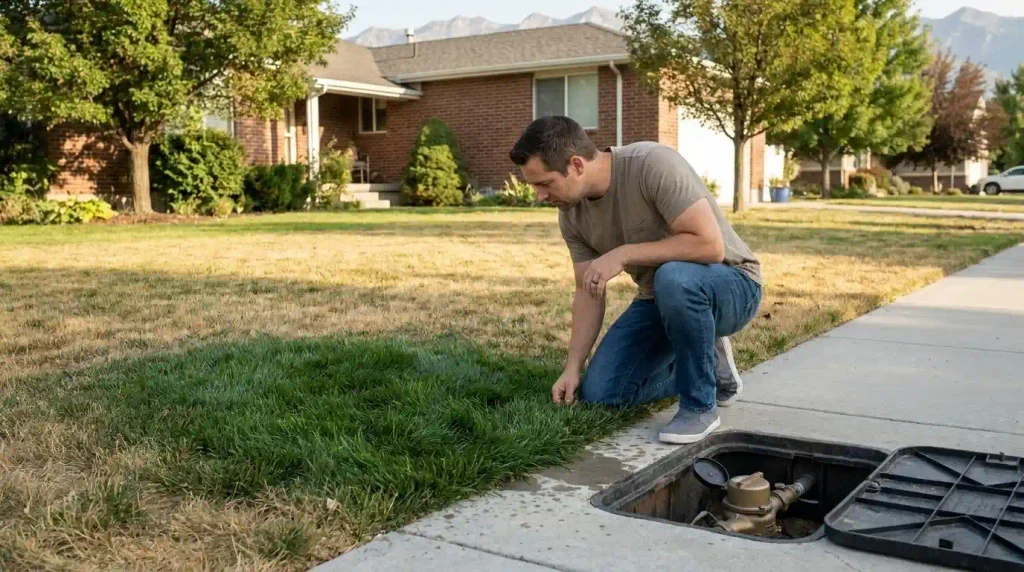
Water lines are out of sight, often running below lawns, driveways, sidewalks, and planting beds. A slow leak may spread through soil below the surface instead of forming a visible pool. Pipe age, shifting ground, corrosion, water pressure, past digging, and freezing conditions can all affect underground plumbing. In a dry Salt Lake City yard, a patch of unusually green grass may be more noticeable than standing water.
Common Warning Signs of a Hidden Leak
A Sudden Increase in Water Use
Compare the newest water bill with the same month from the prior year. First account for guests, irrigation changes, new appliances, and seasonal habits. If usage rises without a clear reason, it may be time to investigate. The EPA recommends comparing monthly bills and checking the meter during a period of no water use because an unexplained change can indicate a leak.
Lower Pressure at Several Fixtures
A clogged faucet aerator usually affects one fixture. A pressure drop at showers, sinks, and appliances throughout the house can indicate a broader supply issue. It does not automatically confirm a buried leak, but it should not be dismissed as a single fixture problem.
Wet, Soft, or Unusually Green Ground
Walk the likely path between the meter and the home. Look for damp soil, puddles, soft spots, sinking ground, or grass that grows faster than the surrounding lawn. Rule out sprinkler overspray, downspout discharge, recent rain, and nearby irrigation before assuming the water line is responsible.
Water Sounds When Everything Is Off
Turn off faucets, washing machines, dishwashers, ice makers, and irrigation systems. Then listen near the water meter, main shutoff, basement wall, or crawl space. A steady hiss, hum, vibration, or running-water sound can signal unwanted flow, although a professional inspection may be needed to identify its source.
Dampness Near the Point of Entry
Inspect the wall, floor, or foundation area where the water line enters the house. Staining, peeling paint, musty odors, or persistent dampness may indicate a plumbing problem. Since condensation, drain leaks, and groundwater can create similar symptoms, the source should be confirmed before repairs begin.
A Simple Water-Meter Test To Try
The water-meter guidance from the EPA recommends checking for movement during a period when the home is not using water. This basic test cannot locate a leak, but it can help establish whether water is moving when it should not be.
- Stop water use inside and outside the home.
- Write down the meter reading or take a clear photo.
- Wait about two hours without using water.
- Check the meter again.
- If the reading changed, inspect indoor fixtures, irrigation equipment, and the service line.
How To Narrow Down the Source
Check toilets, faucets, hose bibs, water heaters, washing machines, and irrigation components for visible leaks. If it is safe to do so, close the home’s main shutoff and watch whether the meter continues to move. Continued meter movement may indicate a leak between the meter and the shutoff, but homeowners should also ask their water utility where utility responsibility ends and private-line responsibility begins.
When To Treat the Problem as Urgent
Act quickly if water bubbles from the lawn, driveway, sidewalk, or meter area; pressure nearly disappears; water enters a basement or crawl space; or soil sinks near a walkway. Avoid digging because underground gas, electric, and communication lines may be present. Keep children away from wet or unstable ground, shut off water if the valve operates normally, and contact the utility or a qualified plumbing professional. Overviews of water distribution systems also underscore why finding water loss early matters.
Repair or Replace: What Guides the Decision?
The best approach depends on the pipe’s material, age, condition, leak location, depth, access, and whether there are signs of repeated failure.
| Option | May Fit When | Key Consideration |
| Targeted repair | One confirmed failure on an otherwise sound line | May not solve widespread deterioration |
| Full replacement | Older pipe has repeated leaks, corrosion, or cracking | Requires planning for excavation and restoration |
| Trenchless work | Property layout and pipe condition allow limited access points | Not suitable for every route or failure type |
Questions To Ask Before Work Begins
- Where is the leak, and how was its location confirmed?
- Which portion of the line belongs to the homeowner?
- Are permits, utility coordination, or line locates required?
- Does the estimate include excavation, backfill, testing, and surface repair?
- What pipe material will be installed, and what happens if more damage is found?
Ways To Reduce Future Water-Line Problems
Review water use monthly, inspect outdoor areas during dry weather, and keep the main shutoff accessible. Record the locations of the meter and shutoff valve before an emergency occurs. Before major landscaping, fencing, or hardscape work, identify the likely service-line path. Leak alerts and flow-monitoring devices can also help identify unusual water use sooner.
Conclusion
A hidden water-line leak rarely gets better on its own. A higher bill, weak whole-home pressure, damp soil, or a faint running sound may be the first warning. A meter check can help reveal unwanted flow, while professional testing can identify the exact source. Addressing the issue early can preserve more repair options and help protect a Salt Lake City home from unnecessary water damage.