
Key Takeaways
- The best heating and cooling system fits the home’s layout, insulation, ductwork, climate, and daily use patterns.
- Efficiency ratings are useful comparison tools, but they do not replace proper sizing and installation.
- Heat pumps, furnaces, central air conditioners, and ductless systems each solve different comfort and space challenges.
- A room-by-room load calculation helps prevent oversizing, short cycling, humidity problems, and uneven temperatures.
- Installation quality, maintenance access, and future service costs should be part of every purchase decision.
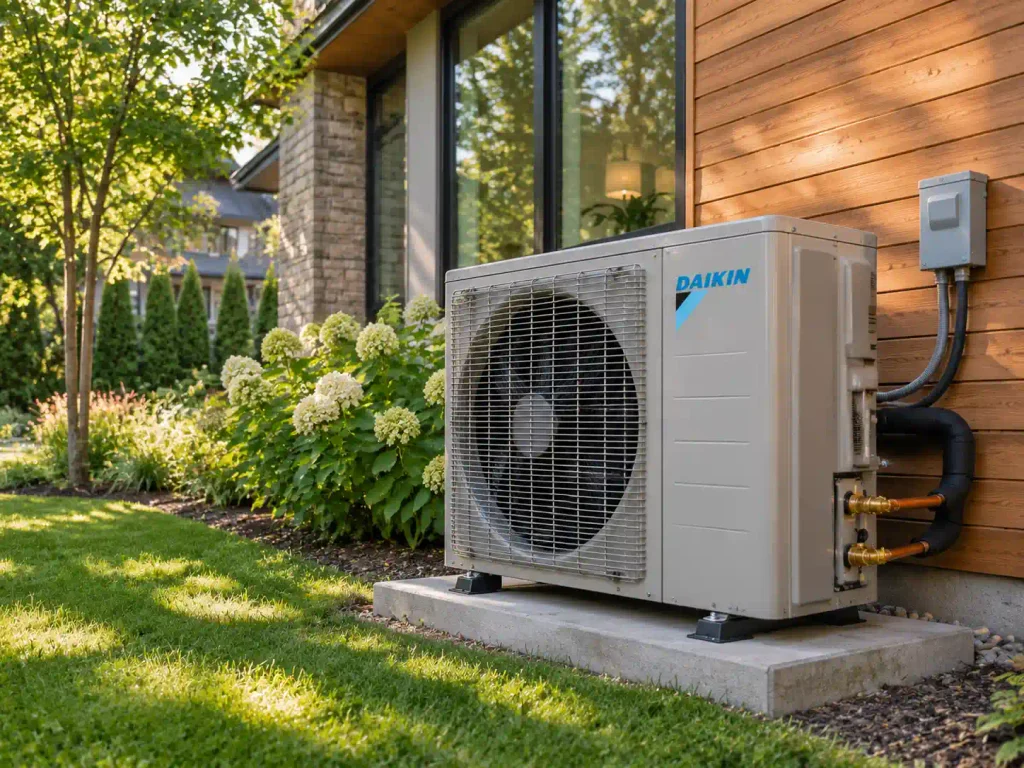
Choosing a new HVAC system is not simply a matter of replacing old equipment with a similar model. The right system should address the comfort problems that led to the upgrade, whether that means an overheated second floor, drafty bedrooms, high summer humidity, or rising utility bills. Homeowners comparing air conditioner and heat pump split systems should begin by considering how the equipment will work with the house as a complete system. Purchase price matters, but it is only one part of the decision. A lower-priced system may cost more over time if it is poorly matched to the home, difficult to maintain, or expensive to operate. Comfort, energy use, installation quality, service availability, and expected lifespan all deserve a place in the comparison.
Start With The Home, Not The Equipment
Before reviewing brands or model numbers, assess the home itself. Square footage matters, but it does not tell the entire story. Ceiling height, floor plan, window area, shade, insulation, air leakage, occupant schedules, and sun exposure can all change heating and cooling demand. Existing ductwork and electrical capacity are equally important. Leaky, undersized, or poorly routed ducts can limit the performance of otherwise capable equipment. Likewise, air leaks around attic openings, exterior penetrations, doors, and windows can make rooms uncomfortable regardless of thermostat settings. A whole-home assessment can identify practical improvements before equipment is selected, and the Department of Energy explains how home energy assessments can help prioritize upgrades.
Compare Common System Types
Most homes fall into a few common equipment categories. The best option depends on available space, fuel choices, duct conditions, local weather, and whether the project covers the entire home or only a problem area.
| System Type | Ductwork Need | Heating And Cooling | Best Fit |
| Furnace with central AC | Usually required | Separate heating and cooling equipment | Homes with usable forced-air ducts |
| Air-source heat pump | Can use ducts | Provides both | Homes seeking electric heating and cooling |
| Ductless mini-split | Not required | Provides both | Additions, converted spaces, or ductless homes |
| Dual-fuel system | Usually required | Heat pump plus furnace backup | Colder climates or flexible fuel strategies |
Central air conditioning paired with a furnace remains a familiar solution where ductwork is already in good shape. Air-source heat pumps move heat to provide both heating and cooling, while ductless mini-splits serve individual rooms or zones without major duct installation. Dual-fuel systems combine a heat pump with a furnace, allowing the home to use different heating sources as outdoor conditions change.
Understand Efficiency Ratings Correctly
Efficiency labels make comparisons easier when used correctly. SEER2 describes seasonal cooling efficiency, EER2 measures cooling performance under specified conditions, and HSPF2 measures seasonal heat pump heating efficiency. Furnace efficiency is commonly expressed as AFUE, while COP compares the useful heating or cooling output to the energy input. Higher ratings can indicate lower energy use under the test conditions, but they do not guarantee identical results in every home. Local weather, utility prices, thermostat habits, duct losses, maintenance, and installation artistry affect actual operating costs. Compare like ratings with like ratings, then ask how the proposed equipment is expected to perform in your specific home.
Size The System For The Actual Load
Oversized equipment is not a shortcut to better comfort. A system that reaches the thermostat setting too quickly may cycle on and off repeatedly, limiting air mixing and, during cooling season, reducing dehumidification. An undersized system may struggle during severe weather and run for long periods without maintaining the desired temperature. Ask each contractor whether they performed a room-by-room load calculation. The calculation should account for the home’s insulation, windows, orientation, leakage, occupancy, and local design conditions. Also ask whether existing ducts can support the required airflow and whether problem rooms need duct changes, zoning, or another solution.
Match The System To The Climate
Climate affects both equipment selection and operating strategy. Hot, humid areas often require strong moisture removal and reliable cooling capacity. Dry climates may place more emphasis on sensible cooling, while cold regions require close attention to a heat pump’s low-temperature performance and any backup heat plan. Modern heat pumps can serve many climates, but homeowners should compare performance data at temperatures that reflect local winter conditions. The guidance for air-source heat pumps also distinguishes ducted and ductless options and explains why cold-weather capability matters when choosing equipment.
Review Installation Requirements
Good equipment can perform poorly when installation details are overlooked. Review outdoor-unit placement, service clearance, electrical requirements, refrigerant line routing, condensate drainage, thermostat compatibility, and access for future repairs. Duct sealing and insulation should be addressed where applicable, especially when ducts pass through attics, crawlspaces, or garages. Request more than one written estimate. Each proposal should clearly identify the equipment, labor, permit costs, warranty terms, duct or electrical work, and optional upgrades. An estimate that omits necessary corrective work may appear less expensive but fail to reflect the true project cost.
Calculate Total Ownership Cost
Look beyond the initial quote by estimating total ownership cost. Include installation, expected energy use, local electricity or fuel prices, routine maintenance, likely repair access, replacement-part availability, and service life. Rebates, financing offers, and utility incentives can reduce upfront costs, but eligibility rules and deadlines should be confirmed before signing a contract.
Plan For Maintenance And Daily Use
Regular attention helps protect comfort and efficiency. Replace or clean filters as recommended, keep outdoor units free of leaves and stored items, and leave supply vents and return grilles unobstructed. Investigate unusual noises, weak airflow, repeated cycling, or water around indoor equipment promptly. Scheduling professional service before peak heating or cooling season can also reveal problems before they become urgent.
Use A Final Decision Checklist
- Has a room-by-room load calculation been completed?
- Does the system suit the local climate and home layout?
- Can the electrical service and ductwork support the equipment?
- Are efficiency ratings being compared under the same standard?
- Does the estimate include permits, ductwork, and electrical updates?
- What will the system cost to operate and maintain each year?
- Who will provide future service and warranty support?
The best heating and cooling system is the one that fits the home rather than a generic square-footage rule. Careful sizing, realistic cost comparisons, strong installation practices, and a maintenance plan can deliver more dependable comfort for years to come.